
How to Turn Your Law Firm’s Website Into a Client-Generating Machine with Content and Video

If you’re like most attorneys, you know your website should be helping you attract new clients — but you’re not sure what content actually works.

The truth is, your potential clients aren’t searching for your name first. They’re searching for answers to their legal problems.

They’re typing things like:

  • “Do I need a will in Georgia?”
  • “How long does a DUI stay on your record?”
  • “What happens if I miss a custody hearing?”

If your website provides clear, local, and trustworthy answers to those questions, you gain their attention and earn their trust — and that leads directly to new consultations.

In this post, I’ll walk you through how to build a content system that turns search traffic into signed clients — using:

Let’s get into it.

1. Create One Service Page Per Practice Area

Many law firms still rely on a single “Practice Areas” page — a big list of everything they do. That approach is outdated and bad for SEO.

Instead, create a dedicated page for each legal service you offer, such as:

  • /dui-defense
  • /child-custody
  • /estate-planning
  • /probate-litigation

Each page should be built around one primary keyword like “estate planning lawyer in Pittsburgh.” Include:

  • A clear headline that mentions your service and location
  • A plain-English explanation of the service
  • Mentions of your city or county
  • Internal links to related blog posts and FAQs
  • A bold call to action (CTA), like “Schedule a Free Consultation Today”

Done right, these pages become your website’s most valuable asset — working 24/7 to rank in search, build trust, and convert visitors into leads.

2. Write Blog Posts That Answer Real Questions

Your blog is not a press release section. It’s a place to answer your potential clients’ most pressing legal questions.

Here’s what to write about:

  • Client questions you hear again and again during consultations
  • Recent law changes in your practice area or state
  • Step-by-step guides like “How to Prepare for a Custody Hearing”
  • Case studies or anonymized examples of how you helped someone
  • Myths vs. truths about common legal processes
  • “What to do if…” posts, like “What to do if you’re served divorce papers”

Keep it simple and conversational. Break your posts into sections with headings. Use internal links to your related service pages. And always end with a clear CTA.

Even just one or two well-written blog posts per month can dramatically improve your visibility and trust factor.

3. Build Topic-Specific FAQ Pages

FAQs aren’t just for saving your receptionist’s time — they’re powerful SEO tools and trust-builders.

Instead of one massive FAQ page, break them into topic-specific pages like:

  • DUI Defense FAQs
  • Estate Planning FAQs
  • Family Law FAQs in [Your County]

Use plain language and keep answers short. If possible, add FAQ schema markup to improve your chances of getting featured in Google’s “People Also Ask” or rich results.

And don’t forget to link out to relevant blog posts or service pages when a question deserves a deeper explanation.

When someone lands on your FAQ page and finds the exact answer they were looking for, they’re already one step closer to booking a consultation.

4. Turn Written Content Into Video (With Help from AI)

People love video — especially when it’s short, simple, and informative.

The good news? You don’t need a studio or hours of prep to make it happen.

Start by using a blog post or FAQ you’ve already written. Then:

  • Use AI to help turn it into a short video script
  • Record yourself answering the question (even just with your phone)
  • Post the video to YouTube, your blog, Instagram, and your Google Business Profile
  • Embed it wherever it fits on your website

For example, one short video like:
“Do I need a lawyer for probate in Pennsylvania?”
Can be repurposed into:

  • A YouTube video
  • A Facebook Reel
  • An FAQ answer
  • A blog with transcript
  • A GBP post

With just a few pieces of reusable content, you’ll start standing out in a market where most attorneys still haven’t tried video at all.

Final Thoughts: Don’t Overcomplicate It

You don’t need a complicated funnel or a massive content calendar to succeed.

Just focus on these four content assets:

  • Dedicated service pages that clearly explain what you do
  • Blog posts that answer real client questions
  • FAQ pages that build trust and authority
  • Short videos, powered by AI, that scale your message across platforms

This simple system can turn your website from a static brochure into a true marketing engine.

Want a Shortcut?

If you’d like a step-by-step guide to implement this, download your free copy of our book, First in Search, First in Court.

It’s packed with checklists, templates, and strategies we use to help law firms outrank the competition and consistently book new clients.


Turn ChatGPT Research Into Clients: Marketing Playbook + Lead Magnet Strategy for Law Firms (Part 2)

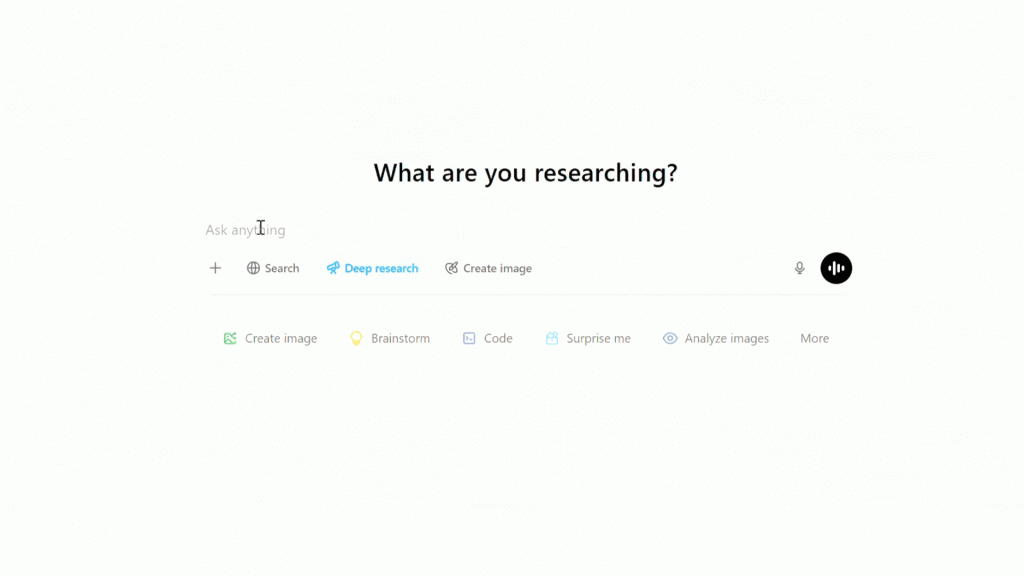
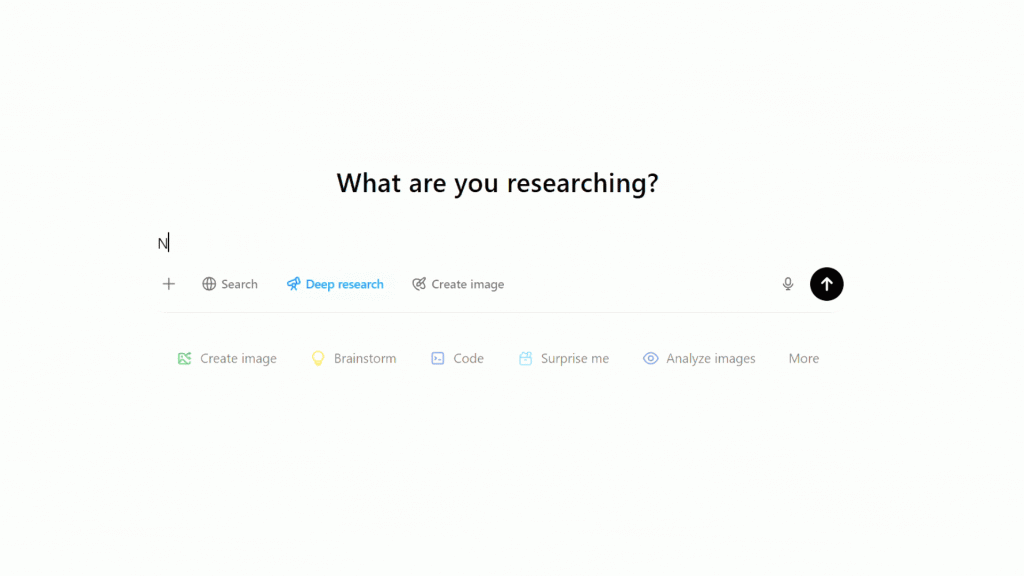
In Part 1, we showed you how to use ChatGPT’s Deep Research Mode to understand your clients and create content that actually connects.

But what comes next?

Today, we’re taking that insight and turning it into two powerful marketing tools your law firm can start using immediately:

  • ✅ A Marketing Playbook that keeps your messaging sharp and consistent


  • ✅ A Lead Magnet that actually converts visitors into qualified leads


And the best part?

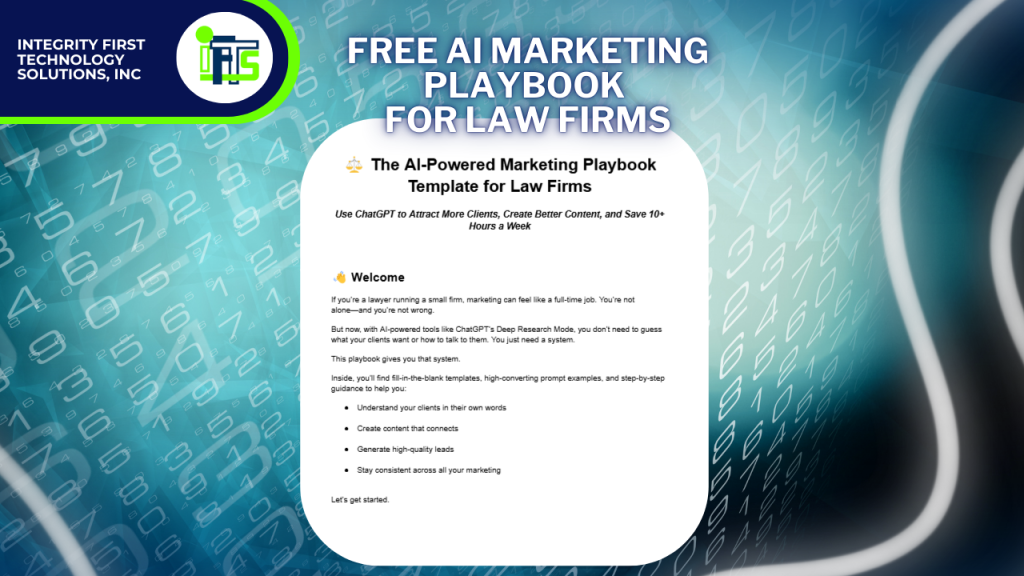
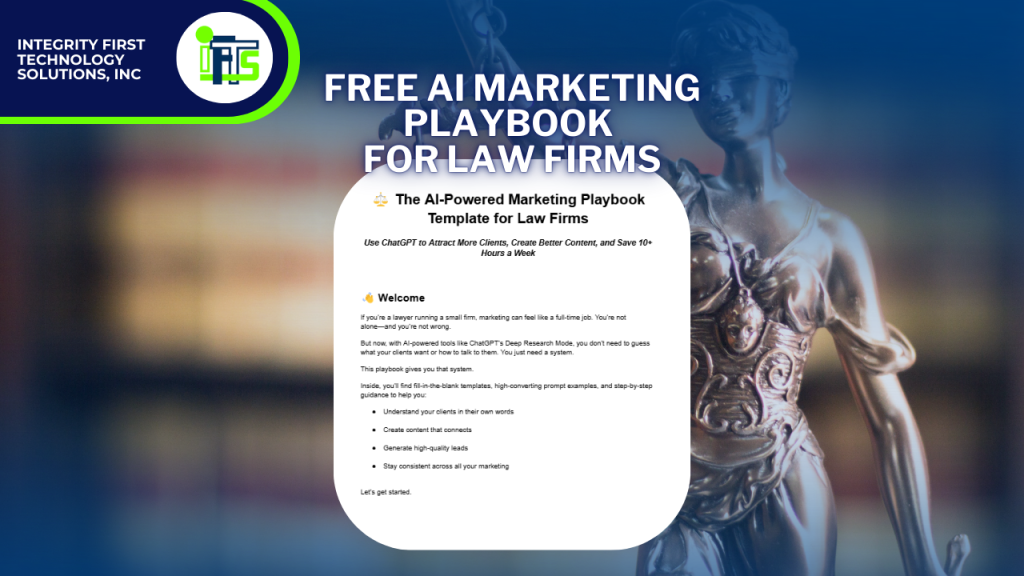
We’ve already built a free AI-Powered Marketing Playbook Template for you—so you can skip the hard part and get started right away. 

Step 1: Build Your Law Firm’s Marketing Playbook

Your Marketing Playbook is your firm’s secret weapon.

It’s not just a document—it’s a strategy hub that ensures everything you publish is aligned, intentional, and conversion-ready. It includes:

  • Your ideal client avatar

  • Key pain points and common objections

  • The exact words your clients use and respond to

  • Your brand voice—so every piece of content sounds like you

With a Playbook in place, there’s no more guessing when it’s time to write a blog post, record a video, or run a paid ad. You’re consistent—and clear—everywhere.

🔍 Try This Prompt:

“Create a marketing playbook for a [type of law firm] in [city]. Use real client language from forums, reviews, and social media to identify pain points, objections, and messaging themes. Include the client avatars that we discussed already.”

In the past, you’d hire a branding agency to put this together. Now, you can get 80% of the way there with ChatGPT—and finish it with your own insights.

And yes—our free template includes a plug-and-play version of this prompt.

Step 2: Create a Lead Magnet That Converts

Once you’ve nailed your messaging, it’s time to attract leads—and that’s where your lead magnet comes in.

A lead magnet is a free resource (like a checklist, guide, or short video series) that you offer in exchange for a potential client’s contact info. When done well, it can increase your lead generation by up to 55%.

Unfortunately, most law firms miss the mark by offering something vague like:

“The 5 Legal Mistakes to Avoid”

Let’s be real—no one’s downloading that anymore.

✨ ChatGPT to the Rescue

Here’s a powerful prompt to create an irresistible lead magnet for your ideal client:

“Based on your deep research into [practice area], what kind of lead magnet would my ideal client find irresistible—and how should I position it to align with my legal services?”

For example, if you’re an estate planning attorney, ChatGPT might suggest:

“A guide to avoiding probate without spending a fortune.”

It’s specific, emotionally resonant, and naturally leads to your service.

📬 Then Follow Up With:

Once someone downloads your lead magnet, don’t let the conversation end there. Send them:

  • A short welcome email

  • A personal story or case study

  • An invitation to book a consultation

And yes—our Playbook Template includes a structure for that email sequence too.

Recap: Your Law Firm’s 3-Step AI Marketing System

  1. Use ChatGPT’s Deep Research Mode to uncover what your clients actually care about

  2. Build a Marketing Playbook to guide everything you say

  3. Create a Lead Magnet that speaks to real pain points and drives real conversions

Download the Free AI-Powered Marketing Playbook Template

Inside, you’ll get:

  • Pre-written ChatGPT prompts


  • Fill-in-the-blank frameworks


  • A lead magnet brainstorming tool


  • And more—all tailored for law firms


Click here to download the free template!

How ChatGPT’s Deep Research Mode Can Save Your Law Firm 10 Hours a Week (Part 1)

Most law firms are still using ChatGPT like it’s 2023—copy-pasting prompts, writing basic blog posts, or maybe drafting a quick email.

That’s fine… but it’s just scratching the surface.

What if you could save 10 hours a week and uncover the exact messaging that turns website visitors into paying clients?

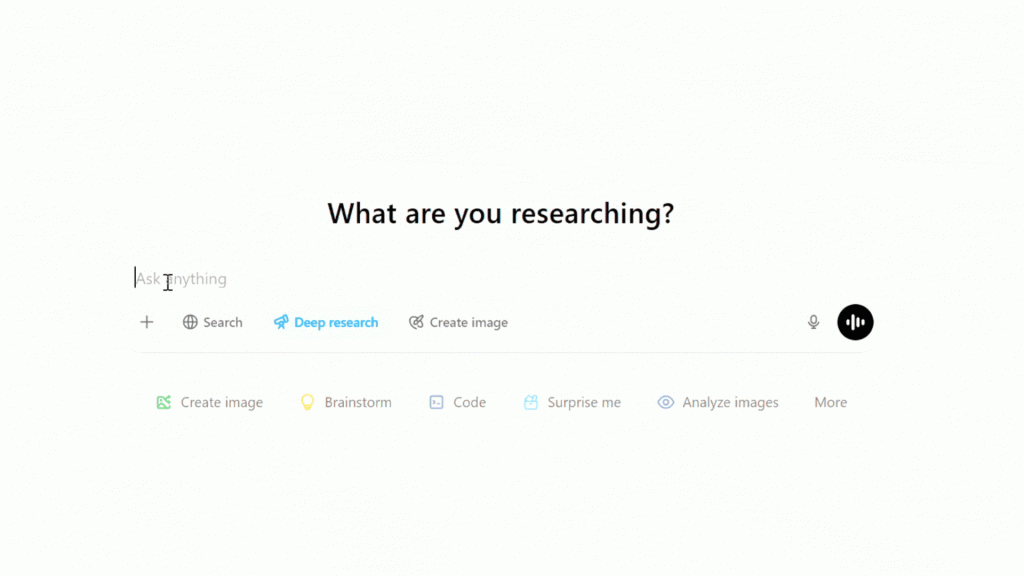
That’s the power of ChatGPT’s Deep Research Mode—and in this post, I’ll show you how to use it to truly understand your clients and create content that actually connects.

Want a shortcut?


Grab our Free AI-Powered Marketing Playbook Template—designed specifically for law firms. Download it here!

Start With What Matters Most: Your Clients

According to research, 71% of companies that exceed revenue and lead goals have documented client personas.

But here’s the hard truth: most law firms skip this step—or they create generic avatars that don’t reflect reality.

The Old Way:

  • Hours of interviews

  • Messy surveys

  • Vague, inconsistent responses

The New Way:

ChatGPT’s Deep Research Mode Instead of guessing, ask ChatGPT to analyze:

  • Forums

  • Review sites

  • Reddit threads

  • Social media posts

You’ll uncover real conversations your potential clients are already having—right now.

And instead of just demographics, you’ll get psychographics:
The actual language people use when talking about their legal struggles, fears, and goals.

Prompt Example:

“Research the target market for a family law firm in Pennsylvania. Check forums, review sites, and social media to find the exact words people use when talking about divorce, custody, and their desired outcomes.”

ChatGPT might uncover real client sentiments like:

“I’m scared of losing time with my kids.”


“I just want someone who will fight for me without dragging things out.”

That’s marketing gold.

And yes—our Playbook Template includes this built-in so you can fill it out and build your ideal client avatar as you go.

Now That You Understand Your Clients—What’s Next?

You create content that speaks directly to them.

Why It Matters:

  • Content marketing generates 3X more leads than traditional methods

  • It costs 62% less

  • Yet most firms are still guessing what to write or film

With Deep Research Mode, you don’t need to guess.

Prompt Example:

“I’m a personal injury lawyer. Give me YouTube video topics that have high search volume, low competition, and align with my services.”

You’ll get actionable, high-performing topics like:

  • “How much is my car accident case worth?”


  • “What happens if the other driver doesn’t have insurance?”


  • “What happens with your second DUI?”

Take It Further:

“Now research what my ideal client is thinking or worried about when they search for this.”

This allows you to create strategic content—speaking directly to what your audience is thinking before they even contact you.

Layer in your personal stories, opinions, and insights—and you’ll build trust, credibility, and leads.

Your Next Step:

This resource includes:

  • Plug-and-play ChatGPT prompts
  • A messaging framework
  • A content planning tool

All tailored specifically for law firms. Download the Playbook Now!

Coming Up Next…

In Part 2, we’ll show you how to turn your research into:

  • Lead magnets

  • Email follow-ups

  • Conversion-focused content

…all designed to turn casual website visitors into paying clients.