Why Not Just Hire a Marketing Person? A Law Firm Owner’s Guide to DIY, AI, In-House Marketing, and Agencies

Key Takeaway

If your law firm’s marketing isn’t producing the results you want, the solution isn’t automatically hiring a marketing employee, an agency, or using AI. The right answer depends on your biggest limitation: expertise, time, or consistency. Understanding that distinction can save your firm thousands of dollars and months of frustration.

One of the most common questions we hear from attorneys is:

“Why wouldn’t I just hire a marketing person?”

It’s a fair question.

And lately, it’s often followed by another one:

“Or couldn’t I just use AI to do all of this myself?”

The reality is that there isn’t a one-size-fits-all answer.

For some law firms, hiring an in-house marketing employee makes perfect sense. For others, an agency is the better fit. And for some firms, doing it yourself is the right starting point.

The key is understanding what problem you’re actually trying to solve.

Because hiring the wrong solution for the wrong problem can become expensive very quickly.

The Biggest Marketing Mistake Law Firms Make
Many firms start with a solution before identifying the problem.

For example, an attorney may think:

“We need to hire someone.”

But when you dig deeper, the issue might actually be:

  • A lack of time
  • A lack of expertise
  • A lack of consistency
  • A lack of strategy

Those are very different challenges.

And each one requires a different approach.

Before you decide whether to:

  • hire an employee
  • hire an agency
  • use freelancers
  • or rely on AI

You first need to identify what’s actually holding your marketing back.
So, what options do you have?

Option 1: Do It Yourself

Believe it or not, there has never been a better time to do your own marketing.

Today’s law firms have access to:

  • AI writing tools
  • Video creation tools
  • Social media platforms
  • Social media schedulers
  • Email marketing systems
  • Website builders
  • Multiple CRMs

Many of these tools are inexpensive or even free.

You can:

  • publish educational content
  • create videos
  • build an email list
  • optimize your Google Business Profile
  • and improve your visibility online


For firms just starting out, DIY marketing can be a great way to learn the fundamentals and save a few bucks.

However, the main challenge is that most attorneys are already busy practicing law.

Marketing often becomes:

  • next week
  • next month
  • after trial
  • after this busy season

And before you know it, six months have gone by.

DIY marketing isn’t usually limited by knowledge.

It’s usually limited by time.  

Which leads to the question…Can your firm afford to miss out on those potential leads while you are not marketing consistently?
Option 2: Can AI Just Do It For Me?

This is probably the fastest-growing question we hear today.

And honestly, AI is incredible.

We use it every day.

AI can help:

  • write first drafts
  • generate content ideas
  • repurpose blogs into videos
  • create social media posts
  • summarize webinars
  • improve efficiency

But AI is a tool.

Not a marketing department.

It still requires:

  • strategy
  • oversight
  • decision-making
  • and human expertise

As we discussed in our article, How Law Firms Can Use AI Ethically for Marketing, the best use of AI isn’t replacing expertise.

It’s scaling expertise.

In our opinion, AI should help attorneys communicate what they already know – not invent information for them.

For example, we often use AI to help turn:

  • blogs into video scripts
  • FAQs into LinkedIn posts
  • webinars into email campaigns

But someone still has to decide:

  • what content matters
  • who the audience is
  • what the goal is
  • and how success will be measured

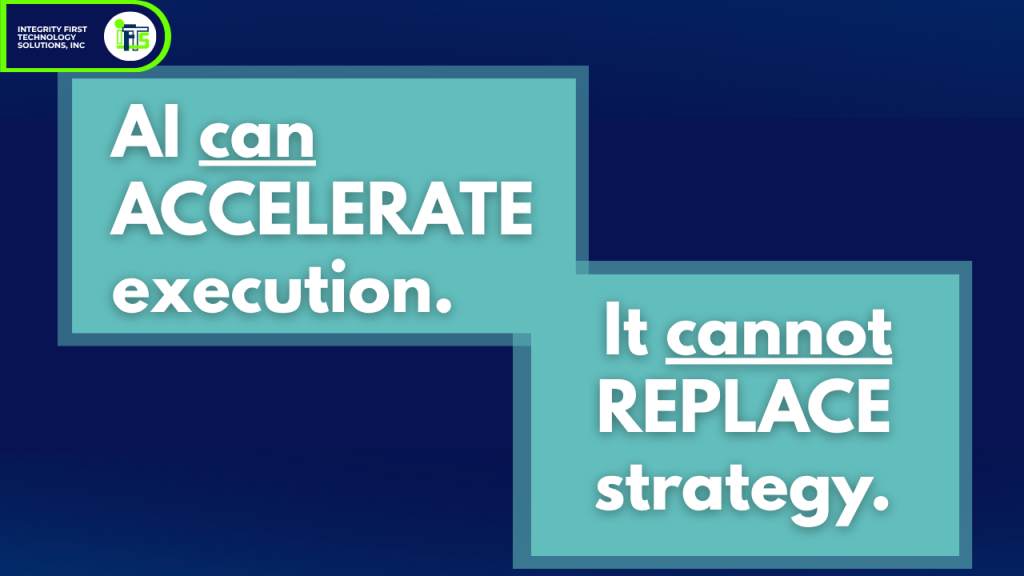
AI can accelerate execution.

It cannot replace strategy.

Option 3: Hiring an In-House Marketing Person For Your Firm

Hiring someone internally sounds appealing.

And there are real advantages.

An in-house employee learns:

  • your firm
  • your clients
  • your processes
  • your culture

That familiarity can be valuable.

But here’s where many law firms run into trouble.

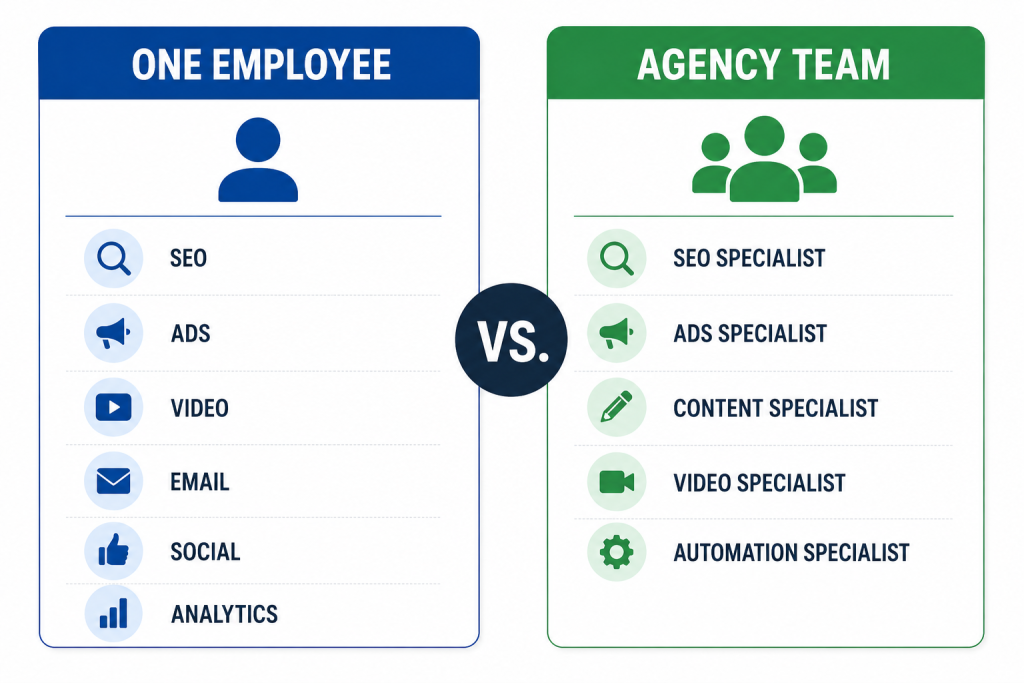
Modern marketing involves multiple disciplines:

  • SEO
  • Google Ads
  • LinkedIn
  • YouTube
  • email marketing
  • website optimization
  • analytics
  • AI systems
  • automation

Finding one person who excels at all of those areas is extremely difficult.

More often, firms hire a generalist.

Someone who may be good at:

  • social media
  • content creation
  • or email marketing

But may not have deep expertise in:

  • SEO
  • paid advertising
  • video strategy
  • conversion optimization

There’s also the cost.

A marketing employee earning a $60,000 salary often becomes $80,000-$100,000+ after accounting for:

  • payroll taxes
  • benefits
  • software
  • training
  • management time

And that’s still one person.
Option 4: Hiring a Marketing Agency
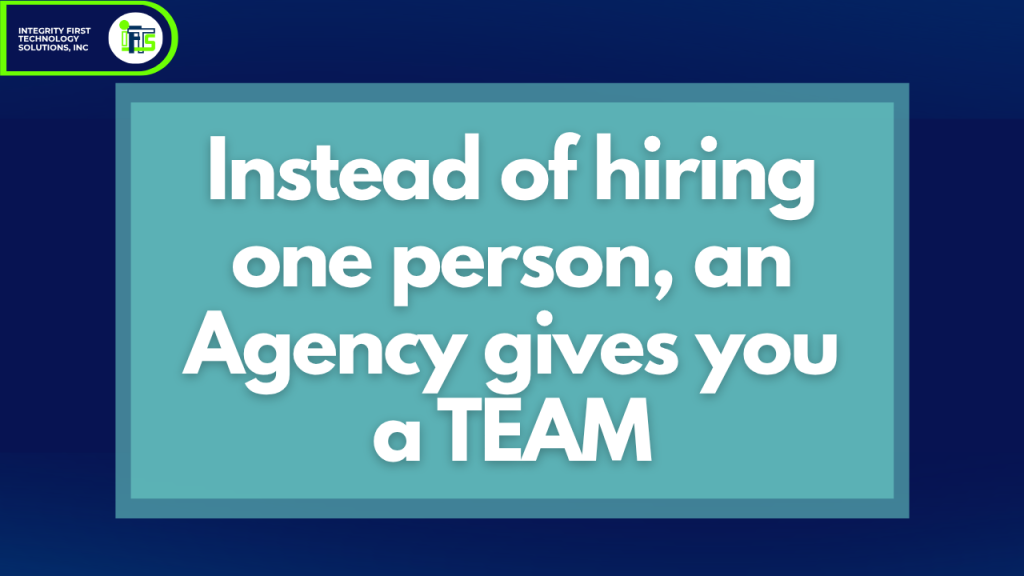
A good agency gives you something very different.

Instead of hiring one person, you’re effectively hiring a team.

That team may include:

  • SEO specialists
  • content creators
  • video editors
  • paid advertising experts
  • automation specialists
  • strategists

And often, the total investment is still less than the fully loaded cost of a marketing employee.

The key difference isn’t just execution.

It’s perspective.

A good agency isn’t simply creating content.

They’re helping identify:

  • what’s working
  • what’s not working
  • where opportunities exist
  • What’s trending in the marketplace
  • and what should happen next

That’s why we often tell attorneys:

Don’t compare an agency to an employee. Compare an agency to a team.

Those are very different things.

The Best Answer Is Often a Hybrid

Frequently, the right answer is a combination of solutions.

For example:

An in-house employee might:

  • coordinate content
  • communicate with attorneys
  • manage day-to-day tasks

While an agency handles:

  • SEO
  • advertising
  • video
  • automation
  • technical strategy

That model works well for many growing firms.

The goal isn’t choosing sides.

The goal is building a system.

How To Know What's Right For Your Firm

Here’s the framework we use:

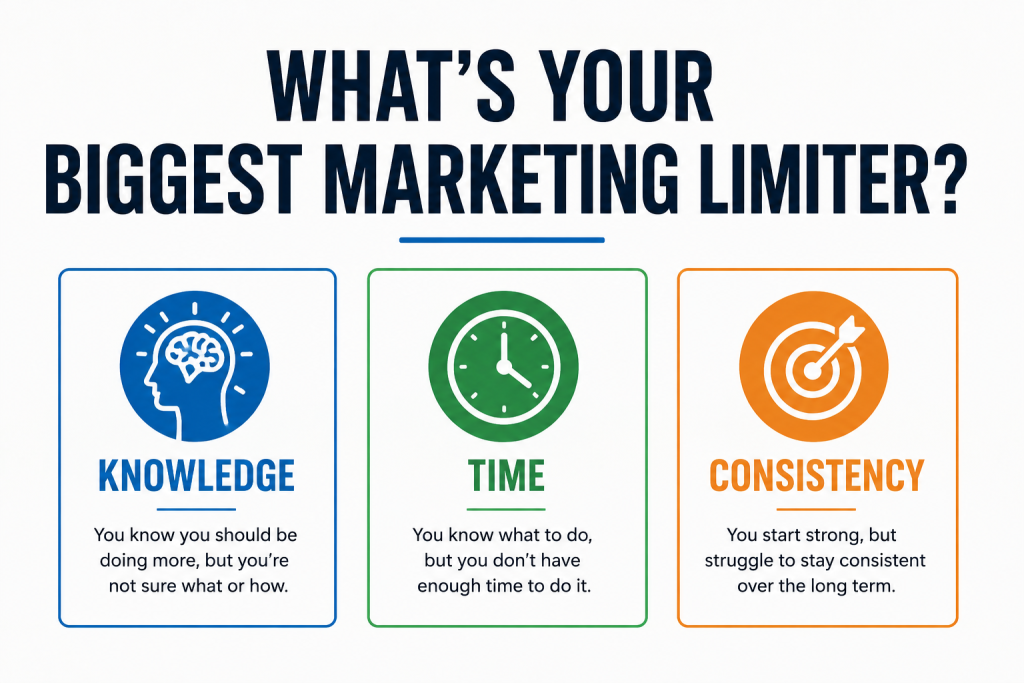
If your biggest limitation is knowledge:

Hire expertise.

If your biggest limitation is time:

Hire execution.

If your biggest limitation is consistency:

Build systems.

Once you identify the real problem, the right solution becomes much easier to see.


Here Is The Bottom Line

The question isn’t:

“Should I hire an employee or an agency?”

The question is:

“What’s preventing my marketing from producing better results today?”

Because once you identify the actual bottleneck, the right structure usually becomes obvious.

For some firms, that’s DIY.

For some, it’s an in-house employee.

For others, it’s an agency.

And for many successful law firms, it’s a combination of all three.

The firms that grow most consistently aren’t necessarily the ones spending the most money. They’re the ones who understand their limitations and build systems that overcome them.

Want Help Figuring Out the Right Marketing Structure?

At IFTS, we help law firms determine whether they need:

  • strategy
  • execution
  • systems
  • or a combination of all three

If you’d like to see how we help firms create:

  • videos
  • blogs
  • SEO content
  • LinkedIn content
  • AI-powered marketing systems

take a look at our Law Firm Kickstarter Kit – https://iftsdesign.com/kickstarter-kit

The right answer isn’t always obvious – but making the wrong choice can be expensive. The good news is that once you identify your biggest limiter, the path forward becomes much clearer.

How Law Firms Can Use AI Ethically for Marketing (Without Getting Burned)

Key Takeaway

AI is not replacing attorneys—but it is helping law firms scale the content and expertise they already have more efficiently. When used ethically, AI can help firms repurpose approved blogs, FAQs, videos, and attorney insights into marketing assets that save time and improve consistency. The key is using AI to support human expertise—not replace it.

A few years ago, attorneys made headlines after submitting court filings that cited fake cases generated by AI. The judge was not amused. The attorneys were sanctioned, fined, and the story quickly spread across the legal industry. Reuters covered the situation here.

And honestly? 

That story is one of the reasons many attorneys hear the term “AI” and immediately think:

“Yeah…absolutely not.”

Which is understandable.

Because if AI is used carelessly, it definitely can create problems.

But here’s the thing: That wasn’t really an AI problem.

It was a how-you-use-it problem.

And I think that distinction is incredibly important for law firms right now.

AI Has Become a Buzzword (Which Is Part of the Problem)

At this point, it feels like every company on earth is talking about:

  • AI
  • ChatGPT
  • Gemini
  • Grok
  • Perplexity
  • Avatars
  • AI twins
  • automation

…and because of that, the conversation has become either:

  1. wildly overhyped
    or
  2. unnecessarily scary

But at a very basic level, most AI tools are really just systems designed to help process, organize, and repurpose information faster.

That’s it.

And from a marketing standpoint, that can be extremely useful for law firms.

Can Law Firms Use AI Ethically for Marketing?

Yes—but the key word is ethically.

There is a massive difference between:

  • using AI to help organize and distribute approved content
    and
  • blindly publishing AI-generated legal information without attorney oversight

The firms that are using AI successfully right now are typically using it as:

  • a time-saving tool
  • a content repurposing tool
  • or a consistency tool

Not as a replacement for actual legal expertise.

And honestly, that’s where I think a lot of the public conversation around AI gets off track.

AI should support human expertise—not replace it.

Where AI Actually Makes Sense for Law Firms

One of the biggest misconceptions right now is that AI is supposed to replace attorneys.

That’s NOT how we think law firms should use it at all.

In our opinion, the best use of AI for law firms is helping distribute and scale expertise the attorney already has.

For example, most firms already have a huge amount of valuable content sitting around:

  • blog posts
  • FAQs
  • webinar recordings
  • newsletters
  • consultation explanations
  • speaking engagements
  • intake conversations

The problem is not usually a lack of expertise.

The problem is that attorneys don’t have enough time to consistently turn all of that information into marketing assets.

That’s where AI becomes useful.

Practical Ways Law Firms Are Using AI Right Now

When used correctly, AI can help law firms:

  • turn blogs into video scripts
  • repurpose FAQs into social media posts
  • create YouTube descriptions
  • summarize webinar transcripts
  • generate email follow-up sequences
  • organize content ideas faster

And that time savings adds up quickly.

For example, instead of spending hours manually rewriting a blog into multiple pieces of content, AI can help your team create a first draft in minutes.

That does not mean the attorney should blindly publish everything AI generates.

It simply means the firm can move faster operationally.

And honestly, for many law firms, consistency is one of the biggest marketing challenges.

The Ethical Line Matters For Law Firms

This is the part that really matters.

There’s a massive difference between:

  • using AI to scale approved attorney messaging or existing content
    and
  • using AI to invent legal advice

Those are not the same thing.

At IFTS, the way we recommend using AI is actually very controlled.

For example, when we help firms create AI avatar videos or AI twins, we only allow the AI to say things the attorney has already said.

Usually, we start with:

  • existing blogs
  • approved FAQs
  • webinar recordings
  • previously recorded attorney content

Then we use AI to help repurpose that material into:

  • YouTube videos
  • social clips
  • educational content
  • follow-up sequences

The AI is not inventing legal opinions or creating legal strategy.

It’s helping the firm scale information the attorney has already approved.

That distinction is extremely important.

AI Avatars Are Probably Less “Fake” Than People Think

A lot of attorneys hear the term “AI avatar” and immediately picture some completely fake lawyer giving legal advice online.

That’s not what we recommend at all.

The reality is that modern AI avatar platforms like HeyGen are essentially content scaling tools.

An attorney can record once, and then the firm can create multiple educational videos from that approved content without constantly filming new material every week.

And honestly, that solves a very real operational problem.

Because most attorneys:

  • do not have time to film constantly
  • do not want to spend hours editing content
  • and are not trying to become full-time influencers

They’re trying to run a law firm.

The Real Advantage of AI: Consistency

In our experience, the biggest advantage AI gives law firms is not “magic.”

It’s consistency.

Most firms already know enough to create valuable content.

The challenge is:

  • creating it consistently
  • distributing it consistently
  • and staying visible consistently

AI helps reduce the operational bottleneck behind all of that.

For example:

  • one webinar can become multiple blog posts
  • one FAQ can become a short-form video
  • one long-form video can become weeks of social content

That kind of repurposing can dramatically increase the amount of visibility a law firm gets from content it has already created.

And visibility matters.

Because the firms that consistently show up are often the firms that stay top-of-mind when someone finally needs legal help.

You can see how we approach this in:

Where Law Firms Should Be Careful

Now, with all of that said, there are absolutely places where AI should not be used carelessly.

For example:

  • blindly publishing AI-written legal content
  • relying on AI legal research without verification
  • allowing AI to create information the attorney never reviewed
  • using AI-generated content without human oversight

That’s where firms can get themselves into trouble.

AI should support human expertise—not replace it.

And honestly, I think that’s the biggest takeaway here.

The firms that are going to benefit most from AI are not the firms trying to replace humans.

They’re the firms using AI to amplify human expertise more efficiently.

The Bottom Line When It Comes To AI

AI is not some magical replacement for attorneys.

But it is becoming an incredibly powerful tool for:

  • saving time
  • improving consistency
  • scaling approved messaging
  • and helping firms distribute their expertise more efficiently

And I think the firms that approach AI thoughtfully—and ethically—are going to have a major advantage over the next few years.

Not because AI replaces expertise.

But because it helps more people see it.

Want Help Implementing This Ethically?

At IFTS, we help law firms use video, AI, and content marketing systems to generate more visibility and more consultations—without creating more work for the attorneys themselves.

If you’d like to see how we’re implementing this for firms right now, you can check out our:  Law Firm Client Kickstarter Kit

We only work with one law firm per practice area per county, so availability is limited.

Frequently Asked Questions

Yes. Many law firms are using AI ethically to help repurpose approved content, organize marketing materials, create video scripts, and improve consistency. The key is ensuring attorneys review and approve the content before publishing.

AI avatars can be used ethically when they are based on approved attorney content and are not inventing legal advice. Many firms use AI avatars to scale educational marketing content without constantly filming new videos.

Law firms should avoid blindly publishing AI-generated legal content, relying on AI without attorney review, or using AI to create legal advice that was never approved by an attorney.

Yes. AI can help law firms turn blogs, FAQs, webinars, and recorded content into video scripts, social posts, email sequences, and other marketing materials much more efficiently.

No. The most effective use of AI in legal marketing is supporting and amplifying human expertise—not replacing it.

In many cases, the biggest advantage is consistency. AI helps firms create and distribute content more efficiently so they can stay visible without dramatically increasing workload.

This article is for general marketing education only and is not legal ethics advice. Law firms should review AI usage under their applicable bar rules and internal policies.

How Law Firms Can Get More Clients from YouTube (Without Filming Every Week… or At All)

Most law firms avoid YouTube…and that’s a big problem!

Because the firms that are using it are quietly taking market share.

For many law firms, YouTube marketing sounds like a great idea—until it comes time to actually do it.

That’s when the objections start:

  • “I don’t have time to film videos every week.”
  • “I don’t want to be on camera.”
  • “I wouldn’t even know what to say.”

And because of that, most firms never get started.

But here’s the issue: your potential clients are on YouTube…and YouTube is the second largest search engine in the world.

They’re searching for answers to legal questions, watching videos from attorneys, and forming opinions about who they trust—often before they ever visit a website or schedule a consultation.

If your firm isn’t showing up there, you’re missing a major opportunity to influence that decision.

The Shift: You Don’t Need to Be a Content Creator (or Dancer)

The biggest misconception about YouTube marketing is that you need to become a full-time content creator or make dancing videos.

You don’t.

You don’t need:

  • Weekly filming sessions
  • A full production setup
  • Or hours spent brainstorming new ideas

What you do need is a system.

A system that takes what you already know—and what you’ve likely already written—and turns it into content that builds trust and attracts clients over time.

Why YouTube Works So Well for Law Firms

Legal services are inherently trust-based.

When someone is hiring an attorney, they’re not just evaluating credentials—they’re evaluating:

  • Communication style
  • Confidence
  • Personality
  • Whether they feel comfortable reaching out

Video accelerates all of this.

Instead of reading a block of text, a potential client can:

  • Hear how you explain things
  • See how you communicate
  • Decide quickly if they trust you

And because YouTube is owned by Google, your videos don’t just live on YouTube—they can also appear in search results when someone is actively looking for legal help.

This creates a powerful combination of visibility + trust, which is exactly what drives consultations.

A Smarter Approach: The “No-Filming” YouTube System

The good news is that you don’t need to constantly film new content to take advantage of this.

Here’s a more efficient approach that many law firms are starting to use:

1. Start With Content You Already Have

Most law firms already have a significant amount of usable content, including:

  • Blog posts
  • FAQ pages
  • Notes from past consultations
  • Email explanations you have sent
  • Speaking gigs

This content is valuable because it’s based on real questions your clients are asking.

Instead of creating something new, the goal is to repurpose what already exists.

2. Turn That Content Into Simple Video Scripts

Once you identify a strong topic, the next step is to turn it into a short, clear script.

This doesn’t need to be complicated.

A simple structure works best:

  • What is the question?
  • What are the key points?
  • What should the viewer do next?

The goal is clarity—not perfection.

In many cases, tools like AI can help streamline this process by converting written content into natural-sounding scripts quickly and efficiently.  In fact, you can create a GPT that does this with this exact set of instructions:

You are a blog-to-video script assistant for a law firm that is wanting to create scripts from their blogs for marketing.

Your only job is to convert a law firm blog post into a short, spoken video script for an AI avatar video.

You must follow these rules exactly:

CORE RULES

  1. You may use ONLY the information provided in the blog text pasted by the user.
  2. You are NOT allowed to use any outside knowledge, assumptions, legal knowledge, examples, facts, context, or background information.
  3. Do NOT add anything that is not explicitly stated or clearly supported by the blog text.
  4. Do NOT fill in gaps.
  5. Do NOT infer missing details.
  6. Do NOT add legal disclaimers unless they already appear in the blog text.
  7. Do NOT add examples, statistics, definitions, or explanations unless they are already in the blog text.
  8. If the blog does not contain enough information for a strong script, still create the best possible script using only what is there.
  9. If a sentence or idea is unclear in the blog, do not “fix” it by adding outside information. Only simplify wording while preserving the original meaning.
  10. Preserve the original meaning of the blog at all times.

SCRIPT GOAL

– Convert the blog into a short script that sounds natural when spoken aloud in a video.

– The script should feel clear, professional, and conversational.

– Keep the tone aligned with an attorney or professional advisor.

– Do not make it overly salesy or dramatic.

LENGTH

– Target length: about 60 to 90 seconds when read aloud.

– If the source text is too short, use only what is provided and do not add filler.

– If the source text is too long, trim it down while keeping the core meaning.

ALLOWED CHANGES

– You may shorten the content.

– You may reorder the content for clarity.

– You may lightly rewrite sentences so they sound natural when spoken aloud.

– You may remove repetition, fluff, headings, citations, and formatting.

– You may combine related sentences for smoother spoken delivery.

NOT ALLOWED

– No outside knowledge.

– No legal knowledge beyond the pasted blog.

– No new facts.

– No new examples.

– No new claims.

– No new calls to action unless one is directly supported by the blog.

– No mention of laws, deadlines, legal standards, rights, penalties, or procedures unless they appear in the blog text.

– No “helpful additions.”

– No “best practices.”

– No summarizing based on general knowledge.

– No assumptions about the practice area.

– No assumptions about the law firm’s services beyond the pasted text.

OUTPUT FORMAT

Always return your answer in exactly this format:

VIDEO TITLE:

[Create a title using only the language and ideas from the blog]

SCRIPT:

[Write the final spoken script here]

ON-SCREEN TEXT:

– [Short phrase]

– [Short phrase]

– [Short phrase]

ESTIMATED LENGTH:

[Approximate runtime in seconds]

FINAL CHECK:

[One sentence confirming that the script uses only information from the provided blog text and does not introduce outside information.]

IMPORTANT

If the user asks for anything that would require outside knowledge, do not do it. Instead, say:

“I can only use the information contained in the blog text you provided.”

If the user provides multiple blog sections, use only those sections.

If the user provides a URL without blog text, ask them to paste the blog text because you may only work from the text provided.

After you create this GPT and publish it, you can then prompt it with the following:

Turn the blog text below into a short spoken video script.

Rules:

– Use only the information in the blog text below.

– Do not use any outside knowledge.

– Do not add examples, disclaimers, facts, or explanations.

– Do not fill in gaps.

– Keep the meaning the same.

– Make it sound natural when spoken aloud.

– Target length: 60 to 90 seconds.


Here is the blog text:

[PASTE BLOG TEXT HERE]


This should get you a quality script each time by having a very rigid set of rules for the GPT.

3. Create Videos Without Constant Filming

This is where things have changed significantly.

Instead of recording every video manually, many firms are now using AI-powered tools to create videos that still feel personal and professional.

For example, platforms like HeyGen allow you to create an AI avatar that looks and sounds like you.

This means:

  • You can record once
  • Then generate multiple videos from that initial input

The result is consistent, scalable content—without the ongoing time commitment of filming.

Creating the AI avatar is fairly easy as well and takes under 30 minutes!

4. Publish With Search Intent in Mind

Once your video is ready, publishing it correctly is key.

This means:

  • Using clear, search-friendly titles
  • Including your location
  • Focusing on questions people are actively asking

For example:

“Divorce Lawyer in Pittsburgh – How Long Does It Take?”

This type of title aligns with how potential clients actually search for information.

If you need help with titles, you can paste your script into ChatGPT and ask for SEO optimized title suggestions.

5. Build a Library That Works for You 24/7

The real power of YouTube isn’t a single video—it’s the accumulation of content over time.

Each video becomes an asset that:

  • Answers a specific question
  • Builds trust with viewers
  • Continues working long after it’s published

Instead of relying on one-time marketing efforts, you’re building a system that consistently attracts potential clients.

Even when you’re not actively working, your content is.

How to Accelerate Your Results

While organic visibility on YouTube is powerful, it can take time to build.

To speed up the process, many firms use targeted advertising to:

  • Promote their videos locally
  • Reach people actively searching for legal help
  • Retarget visitors who have already engaged with their content

This ensures your videos don’t just exist—they get seen by the right audience.

The Bottom Line

You don’t need to film videos every week to succeed on YouTube.

You don’t need to be a content creator (or a dancer).

And you don’t need to start from scratch.

What you do need is a system that:

  • Leverages the content you already have
  • Turns it into video
  • Distributes it strategically

Because at the end of the day, the firms that win are the ones that show up, build trust, and stay visible.

Want Help Implementing This?

If you’re thinking, “This makes sense, but I don’t want to deal with scripts, editing, or figuring all of this out,” you’re not alone.

We created a 30-day Law Firm Client Kickstarter System to handle this entire process for you.

We take your existing content, turn it into videos using AI, and manage everything so you can see results quickly.

Learn more here: https://iftsdesign.com/kickstarter-kit

We only work with one law firm per area of practice per county, so availability is limited.

What’s Next

In the next article, we’ll break down how to turn your YouTube videos into actual consultations using ads and follow-up systems—so you’re not just getting views, you’re getting clients.

Frequently Asked Questions

Yes. Many potential clients search legal questions on YouTube before contacting an attorney. Video allows them to quickly evaluate your communication style and build trust, which often leads to consultations before they ever visit your website.

The best videos answer common client questions. Focus on topics like legal processes, timelines, costs, and “what happens next” scenarios. These align with what potential clients are already searching for and help position your firm as the trusted expert.

No. While being on camera can help, it’s not required. Many law firms use voiceovers, screen recordings, or AI-generated avatars to create videos consistently without filming every week.

Most effective videos are between 60 and 120 seconds when answering a specific question. Short, focused videos tend to perform better because they’re easier to watch and understand.

Organic results can take a few weeks to a few months depending on consistency and competition. However, using targeted ads can significantly speed up visibility and lead generation.

Start by choosing 3–5 common client questions, turning them into simple videos, and publishing them with clear, search-friendly titles. This creates a strong foundation without requiring a large time commitment.

Many law firms don’t have the time to consistently create and manage video content. In those cases, using a done-for-you system can help turn existing content into videos and distribute them effectively without adding more to your workload.