
How to Create a Brand Style Guide for Your Business

Are you making a good first impression with your potential customers?

As your business grows, you’ll have more and more opportunities to make a good first impression. People should have the same experience with your business, whether they see your logo on your company vehicle or go to your website to learn more about your services. 

Your brand is more than just a logo and color combination, though. It’s what people expect from your company and how they talk about you when referring others to your business. 

-And making a brand style guide is a great way to help you stay on track!

What a Brand Style Guide is and Why You Need One

A brand style guide is a document that outlines the specific fonts, colors, images, and styles that you want to use for all of your marketing materials. It can help to create a cohesive look across all of your branding, and it will make your company’s overall look more professional. 

Creating a brand style guide can seem like a daunting task, but it doesn’t have to be!

If your business doesn’t have a mission statement already, you should think about what makes it unique and take the time to put it on paper.

What’s your company’s voice and personality? 

Who is your customer? 

What would they expect when interacting with you?

Answering these questions is a great place to start shaping what the heart and soul of your company looks like visually. Then, choosing the right design elements will help you achieve that goal. 

Remember, the intent is to create a guide that will help you maintain a consistent look and represent your brand’s voice and personality. So, don’t be afraid to get creative and have fun with it!

How to Create a Brand Style Guide

When deciding on the overall tone and voice of your brand, here are a few tips to get you started:

1. Start by creating a mood board. This can be as simple as cutting out images from magazines that reflect the look and feel you want for your brand, or you can create a digital mood board using Pinterest or another online tool. 

It may seem unnecessary, but having this in place first is a helpful way to keep your thoughts and ideas organized.  It also gives you a visual representation that may help you make connections you wouldn’t otherwise have seen.

2. Once you have a good idea of the overall style you’re going for, it’s time to start thinking about specific elements like colors and fonts. Make a list of 3-5 colors and choose 2-3 fonts that you’ll use for all of your marketing materials. Don’t forget to do your research on color and font associations and continue to go back to your mood board for inspiration. 

You’ll want to include things like the color names, CMYK swatches, and hex codes (the HTML version of color names) in your guide. 

Also, be sure to find out if there is a cost associated with the use of the font or images you use in your marketing. Some fonts and images have specific copyright rules, and you will want to make sure that you are following their guidelines.

3. Your logo is one of the main things that people picture when they think of your business, and it should make it easier for them to remember your brand. It’s a good idea to put your logo and a description of what it stands for in your brand style guide. 

You can put as many different versions of your logo as you want in your style guide, but make sure that each one has a purpose. Outline as many parameters as you’d like, including dimensions and color selection that show exactly how your logo can and cannot be used.

If you haven’t put much thought into your logo design, you will want to check out why that’s so important in our previous blog post.

4. Now you are ready to create your brand guide to keep on hand or as a digital file that you can easily share with others. 

Include all of your chosen colors, fonts, and any other elements like photos, images, or wording that you want to use and circumstances or exceptions for any changes and a detailed list of those examples.

5. Finally, make sure to review and update your brand style guide on a regular basis. As your business grows and changes, so too will your branding. 

By keeping your style guide up-to-date, your branding efforts will always reflect your business in the best light.

Examples of Brand Style Guides
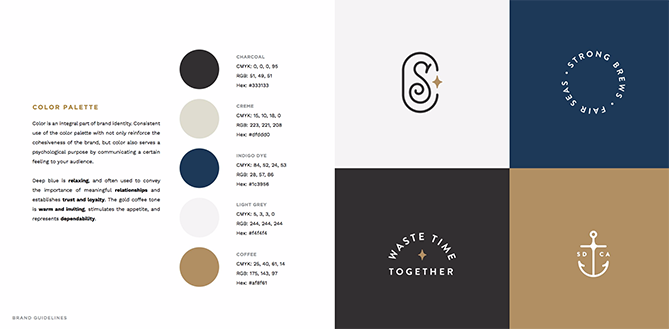
This page, taken from Scrimshaw Coffee’s brand guide, is a great example of how to showcase different colors and logos and how they can be used in marketing.
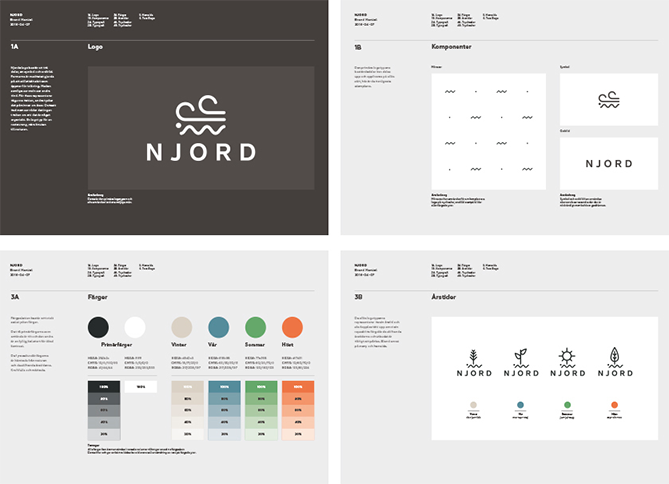
Njord Organic Restaurant shows just how detailed a brand style guide can be.

To see a wide range of the types of brand style guides different companies use, visit issuu.com.  

Saving You Time and Money

Your company’s style guide should be created early on in the branding process and updated as needed. Having this document on hand will make putting together promotional materials much easier.  It should also make it easier to bring in an outside marketing team if you get to that point.

With a list of your preferred fonts, colors, and styles, you’ll be able to save time, energy, and money by ensuring that everyone on your team is on the same page when it comes to your design standards. 

Again, the importance of making your business more memorable to customers, and therefore building more trust and customer loyalty, can’t be stressed enough.

If you’re ready to create a branding style guide for your business, our team at IFTS Inc. can help! Contact us today for a free consultation at 412-715-6266!
Reputation Marketing for House Painting Companies PART 2

What is your reputation online?  

If it’s 

  • Bad
  • you don’t have one or 
  • you don’t know what it is

Then, this article is for you!

Last time, we covered the basics – we talked about the definition of reputation marketing and the benefits to implementing it.  If you missed Part 1, check it out here.

In Part 2, we will cover the amazing impact of online reviews and how to get them on a consistent basis.

So, let’s get started!

What Is The Impact Of Online Reviews?

Good internet reviews are critical for a company’s long-term existence. Negative client feedback, on the other hand, might have devastating consequences for your business. It is common practice for consumers to research a product or brand using search engine results, social media platforms, and other sites such as Angi or Yelp.

No one wants to waste money on a service that will not satisfy their needs. Hearing about a great experience from others is a good indication that your offered services are worth it.

Did you know that 85 percent of consumers place the same faith in online reviews as they do in personal recommendations, and that 73 percent of consumers place greater trust in a local business when they read favorable reviews from other customers?

This demonstrates the importance of online reviews and how they have a direct influence on your brand’s reputation.

For your reputation marketing efforts to be successful, you must first get positive third-party content, like 5-star Google reviews or the “Thumbs Up” on Facebook. Online reviews should always be taken into consideration for your marketing plan as well as your 

Here are a few pointers to keep in mind:

ENCOURAGE GOOD REVIEWS

Don’t be afraid to approach your customers and ask them to submit a nice review of your company! When a customer is satisfied with a product or brand, they are more likely to post a fast review about the product or brand. If your company has a physical shop, you may display a sign or window cling directing them to your page on your website, in emails, and on social media accounts.

KEEP AN EYE ON YOUR REVIEWS

You can’t improve your online reviews if you don’t know what kind of impression you’re leaving. Keep an eye on what others are saying about your home services company on the internet.

REPLY TO REVIEWS

While you have no control over what people say about your business, you do have power over how you respond to both good and bad reviews. This creates the appearance that your company values consumer engagement and is willing to listen to legitimate issues about your services. 

If you are dealing with poor reviews, keep a level head and try to tackle the problem at its root as much as possible. This may mean you contacting the individual on a private basis, offline.

How To Create A Successful Reputation Marketing Campaign

With a sound reputation marketing approach, your house painting business will be able to stand out in search results and increase consumer awareness of your brand. Despite the fact that there is no one universal method that works for all sorts of firms, there are a few fundamental components that every reputation marketing plan should have.

Keep these ideas in mind as you work on a reputation marketing campaign for your business:

ASSESS YOUR STARTING POINT

It all starts with taking a close look at the existing status of your company’s image. Businesses are always changing, so it’s important to keep an eye on the pulse of your brand, company, and workers. 

Is your goal for your company consistent with the way others perceive your organization?

Does it appear that you’re getting good or negative feedback?

CHECK OUT YOUR COMPETITORS

Another thing you should do is investigate your rivals and examine their brand reputation and presence on the internet. Observing how rivals identify with their clients can provide you with a better understanding of what practices need to be improved and which practices should be avoided.

IDENTIFY IMPROVEMENT AREAS

Once you’ve identified the areas of your home painting business that require the most attention, you can concentrate your efforts on enhancing those spaces. Try evaluating the following areas:

  • Reviews
  • Ratings
  • Articles
  • Business Listings
  • Local SEO
  • Regular SEO

Want more tips on getting Google Reviews?  Check out our article on “10 Proven Ways to Get More Positive Online Reviews for Your Business”.

MONITOR, MAINTAIN & GROW

Savvy business owners keep an eye on their reputation at all times to ensure that everything is running well and that their consumers are satisfied. If you regularly watch your brand, you will be able to intervene and take action as soon as unfavorable reviews or comments begin to come in.

Reputation Marketing Helps Painting Businesses Convert Prospects Into Clients

A good reputation is earned via ethical, well-rounded, and high-quality business operations, and it is the most important asset a company can have. Keep track of what is being said about your company on the internet and maintain a professional image in order to maintain a good reputation.

Promotion, monitoring, and acquisition of good brand material are all part of the reputation marketing strategy that allows firms to take control of their reputation. The proactive strategies outlined above can assist you in distinguishing your brand from your greatest rivals and painting a picture of your firm that matches with your organization’s overall goal.

For more information on winning clients over with your online reputation, check out this article.

Get the Top 3 Social Media Post Templates for Painting Companies to Grow Your Following and Get New Clients

Engage with prospects and save time with your FREE Canva template kit. This kit features the top 3 social media posts for painting companies and directions on how to brand them for your own business in 5 minutes or less.

Enter your email below and get the templates sent directly to your inbox along with an instructional video on how to make personalized edits.

Reputation Marketing for House Painting Companies PART 1

What is your reputation online?  

If it’s 

  • bad
  • you don’t have one or
  • don’t know what it is

Then, this article is for you!

Painting a house, kitchen or even a room is costly and time-consuming, which is why most people will go online to find a reliable painter.

To seem credible, a home service business must have a Google rating of at least 4 stars and a steady stream of fresh reviews. Reputation marketing may be the answer you’re searching for if you want to cut down on callbacks while still offering high-quality service.

Let's get the basics out of the way first: what is reputation marketing?

Promotion, monitoring, and acquisition of positive third-party brand content, like reviews and social media posts, is called “reputation marketing.” This is done to improve your online reputation.

Your painting company’s online reputation will benefit from this tactic. It’s also a tool you can use to find more positive opportunities and make it into a line of defense for your brand.

When it comes to accumulating favorable information about your company, there are two options: organic and paid

Organic Reviews

Organic evaluations are always more dependable and trustworthy in the eyes of the public than paid advertisements. The majority of consumers are able to discern whether reviews are authentic and posted by other customers who have used the product.

Paid Reviews

Because they are not “earned,” which implies that anybody may obtain them, paid-for evaluations are not the ideal choice, and they often have a bad image as a result. This covers the payment for reviews, press releases, and interviews, among other things.

The use of exclusively paid-for information, according to seasoned marketers, is a lousy business strategy. In a well-thought-out reputation marketing plan, both kinds would be utilized, with a higher emphasis placed on the organic method.

While purchasing phony reviews, bribing consumers to submit reviews, or attempting to have your company listed on particular websites may sound appealing, these strategies are likely to provide little to no return on your investment in the long run.

The Many Benefits of Reputation Marketing

The unfortunate reality is that smaller painting companies tend to overlook or entirely disregard reputation marketing and management as helpful tools until they are confronted with an inflow of negative reviews.

In truth, reputation marketing serves as a safety net for your business. As long as it is implemented in a timely and appropriate manner, it will assist you in establishing strong brand authority and reputation before a crisis scenario spirals out of hand…like receiving multiple bad reviews in a row.

So, if you are still unsure about how reputation marketing might assist your painting business, here are a few ideas to consider:

IMPROVED PERFORMANCE RATINGS

Make sure to pay close attention to the comments and reviews people post about your service and that their comments and reviews portray your home service business in the best possible light. You won’t be able to avoid bad feedback, but you can at least curate third-party reviews over time to mitigate the effects. The fact of the issue is that public opinion counts, and the difference between a 4-star and a 5-star rating may translate into hundreds of thousands of dollars in additional income.

GOOGLE KNOWLEDGE PANEL

google knowledge pannel

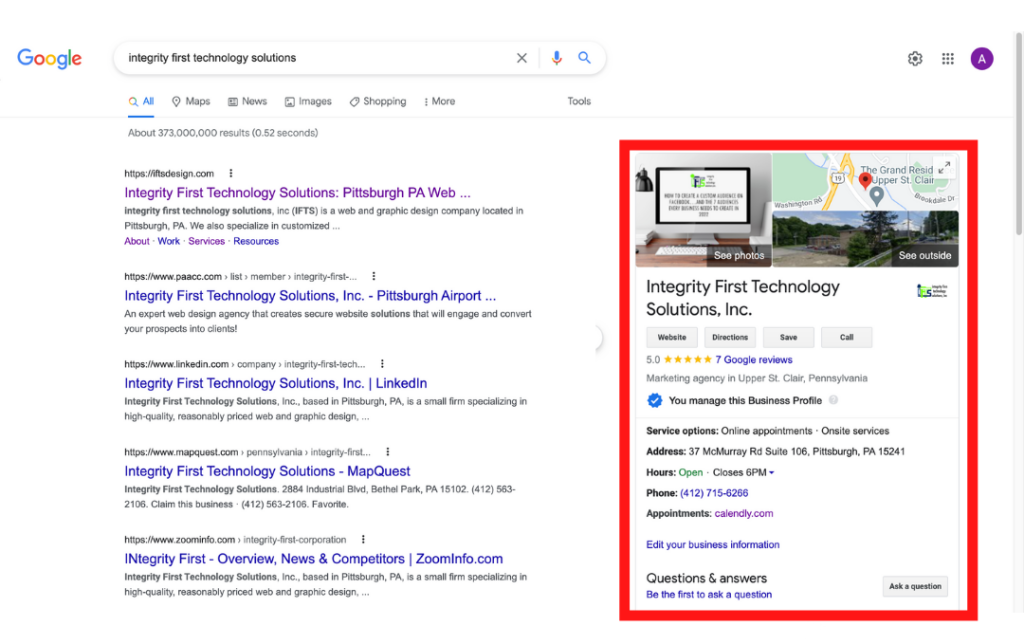
It is the short description with info (and pictures) about your business that Google pulls and appears on the right side of your screen in desktop search results. This Knowledge Panel can be an important business asset and a game changer when it comes to getting more people to visit your home service website. That said, getting it to be shown frequently depends on how well your brand is known and how much structured data you have on your site/Google Business Profile.

GOOGLE PROFILE OPTIMIZATION

If you really want to get serious, you should set up a Google Business Profile (formerly called a Google My Business account). A well-optimized business profile can help your house painting business show up in search results above the rest. Plus, it’s free to set up and allows you to connect with potential and current customers and build your brand’s trust.

WEBSITE SEARCH ENGINE OPTIMIZATION (SEO)

SEO is all about getting your site to show up high in search engine results.  If Google and other search engines think your page is an authority for certain target keywords, like “house painter near me”, then you will get more traffic that all of the painters in your area are fighting for.

GET YOUR BRAND INTO THE SEARCH RESULTS

As time goes on, the hard work that you do pays off in a big way. By building your brand online in multiple directories, you should see more branded results. Your website will show up at the top of the search results if someone searches for your painting company’s name.  


LOCAL SEARCH ENGINE OPTIMIZATION (SEO)

Local SEO is one of the most important tools for home service companies because it allows you to target the specific community that you serve directly. Implementing an effective local SEO strategy can boost the search exposure of your business.

Stay tuned for Part 2 of this topic, where we will discuss the impact of online reviews and how to create a successful reputation marketing campaign.

Get the Top 3 Social Media Post Templates for Painting Companies to Grow Your Following and Get New Clients

Engage with prospects and save time with your FREE Canva template kit. This kit features the top 3 social media posts for painting companies and directions on how to brand them for your own business in 5 minutes or less.

Enter your email below and get the templates sent directly to your inbox along with an instructional video on how to make personalized edits.