7 Facts You Need To Know About SEO

When it comes to SEO, there are many factors that determine the way your website is indexed and ranked by the search engines. That in mind, it’s obvious that by focusing on the right SEO techniques, you can maximize your marketing efforts and grow your business into a success.

But other than improving your visibility on the search engines, what else does SEO offer? 

Here are 7 facts you should know about SEO and why it’s so important for businesses when trying to take their brand to the next level.

1. Most traffic on websites comes from organic search

Organic search is currently the main source of traffic for websites. While you can direct targeted traffic to your website through paid ads or a social media marketing campaign, being visible on the search engines is always going to work in your favor. With organic search engine optimization (as opposed to pay-per-click ads) people will more easily find your website on search engines while they are looking for a product or service you provide. Making it more likely that they will convert from visitor to customer. No one searches for a product or service that they don’t want, so they’re already in the mood to buy. You just have to stand out among the competition. Additionally, when you rank on the front page of a search engine, you are showing potential consumers the legitimacy of your products or services because of your high ranking.

2. SEO is the best long term strategy to market your business

Results don’t happen overnight – organic search engine optimization takes time, patience, and consistency. While PPC or retargeting campaigns are great ways to reach your audience and sell more of your products, keep in mind that your ads will stop showing up the very moment you stop paying for them. With search engine optimization, that doesn’t happen. If your website is well optimized using the best SEO practices, it should continue to show up on search engines for months or even years to come. 

3. Good SEO is NOT expensive

Contrary to what many think, SEO is relatively cheap, considering the payoff. If you were reluctant to spend money to optimize your website for search, think of SEO as an investment. The sooner you invest in good SEO implementation, the sooner you’ll gain more visibility on Google and grow your brand for the long haul. 

4. SEO best practices are constantly changing

Did you know that ‘pausing’ an SEO campaign for too long can have a negative effect? While it’s true that SEO is a long term strategy to rank your business, what’s also true is that the search world is always changing. Google alone is known to make often algorithm changes. This means that, if you fall behind, getting back on track may be quite the challenge. 

5. SEO and User Experience are related

Few people realize that today, user experience is a big part of ranking well on search engines. Google already knows what a positive user experience looks like on a website and how to spot a negative one. The better your website is structured, the more likely it will gain more visibility. 

Google and other search engines take hundreds of factors into account when determining which pages rank highly in search engine results pages (SERPs). With that being said, today, elements of user experience have been rolled into SEO best practices. How easy is your site to navigate? Do you have quality content that makes visitors want to stay and engage? Is your site secure, fast and mobile-friendly?

Think of the partnership of SEO and user experience this way: SEO targets search engines and user experience targets your website’s visitors. Both share a common goal of giving users the best experience.

Some common website elements that impact both SEO and user experience are:

-headings

-easy navigation and site structure

-site speed

-mobile experience

6. Great rankings influence conversions

Customers today do a lot of research before buying something – whether it’s a product or a service. This is a big advantage! Not only does good SEO help you rank well in Google, but it allows you to send a positive message about your offer. Using this SEO best practice to outrank your competition will definitely have a positive effect on your conversions.

7. If you’re not on Page 1, you’re losing business

Obviously, if you’re not #1, someone else is! And that means you’re losing business… If you need assistance in improving your SEO, contact us at IFTS and we will help get you on the road to page number 1!

How To Define Your Target Audience

Marketing isn’t just the practice of placing ads, rather it’s a method of attracting new business. You have to know exactly who you want to target with your marketing – your target audience will not simply be “everyone”. Your task in defining your target group is to identify and understand your particular niche so you can dominate it. 

The better you understand your target market, the easier you’ll be able to target them with relevant content that will stand out. 

In this guide, we’ll walk you through a few steps that will help you to understand who is already interacting with your business (and competitors) and use that information to develop a clear target group.

What is a target market?

A target market is a specific, defined segment of consumers that a company plans to serve with its products or services. These are the people who are most likely to purchase your products or services and have common characteristics such as demographics and behaviors. Identifying your target market is an essential step in the development of products, services, and the marketing efforts used to promote them.

Market segmentation is the process of dividing a market of potential customers into groups, or segments, based on these different characteristics. The segments created are composed of consumers who will respond similarly to marketing strategies and who share traits such as similar interests, needs, or locations.

There are 4 types of market segmentation:

  1. Geographic segmentation –  involves grouping potential customers by country, state, region, city or even neighborhood.
  2. Demographic segmentation – divides a market through variables such as age, gender, education level, family size, occupation, income, and more.
  3. Psychographic segmentation– focuses on the intrinsic traits your target customer possesses. Psychographic traits can range from values, personalities, interests, attitudes, lifestyles, and opinions.
  4. Behavioral segmentation– focuses on specific reactions and the way customers go through their decision making and buying processes. Attitudes towards your brand, the way they use it, and their knowledge base are all examples of behavioral segmentation.

Marketers can use segmentation to prioritize their target audiences. If segmentation shows that some consumers would be more likely to buy a product than others, marketers can better allocate their attention and resources. The purpose of segmentation is that you are able to introduce a more tailored message that will be received successfully. 

What is a target audience?

A “target audience” is more narrow than a “target market”. It refers specifically to the group of consumers targeted by marketing messaging. A target audience is a group of people that has significant potential to respond positively to a brand message. Your target audience may or may not be the end users of your product, but they are the people you plan to direct your marketing to. 

To communicate effectively with your target audience, you need to understand who they are and what their true needs and desires are. 

How to define your target audience

  1. Know the value of your product/service

When identifying your target audience, it is important to determine the features of your product or service. What needs does your product or service fulfill for a potential customer? How does your product or service differ from others in your industry? Is your product more affordable? Is it more effective? These are some things that need to be taken into account before figuring out who will be on the receiving end of your marketing efforts. Think about those who may be interested and who might benefit from your product or service. These are the people that will make up your target audience.

  1. Get to know your existing audience

When trying to figure out who wants to buy from you, a great first step is to identify who is already using your products or services.

How old are they? Where do they live? What do they do for work? What social networks do they use? Do they scroll through their feeds on a mobile device or the computer? These are all questions that you need to be able to answer about your current customers, and once you understand their characteristics, you can go after more people who fit the same mold.

One way to start is by gathering whatever information you have about your existing customers. Some data points that you may want to consider are:

  • Age: This is one area that doesn’t need to be too specific. Whether your average customer is 23 or 27, it won’t really make that much of a difference. Rather knowing which decade of life your customers are in, or their generation can be much more useful.
  • Stage of life: are your customers college students? Parents of young children or teens? Retirees?
  • Interests: what do your customers like to do? What other businesses do they interact with?
  • Location and time zone: Where in the world do your existing customers live? If you’re based in the PST time zone and have followers in the EST and GMT time zones you might find posting at 8 a.m. PST works best because it hits the workday in both other regions. Understanding where your customers are located geographically is so important when deciding what time you should post to ensure best visibility. 
  • Spending patterns: How much money do your current customers have to spend? How do they approach purchases in your price category?
  1. Check in on Your Competition

Now that you have a better idea of who is already interacting with your business, it’s time to dig a little deeper and see who’s engaging with your competitors. 

Looking into who is interacting with your competition can answer some key questions: are you and your competitors both going after the same market segments? Who are they currently targeting? Are they reaching segments you hadn’t thought to consider? 

You won’t be able to get detailed research about the people interacting with your competitors, but you’ll be able to get a general sense of approach they’re taking and whether that is allowing them to create engagement online.

Define your target market and revise as needed. You shouldn’t think of your target market as set in stone. As you learn more about your customers, how you define your target market will most likely change. So, work to understand who your business serves, and why they should care. 

As your business grows, your target audience may change, and finding this specific group of people should be a continual effort.

What is SEO?

SEO or Search Engine Optimization is the process of optimizing your website to drive targeted, organic traffic from search engine results pages (SERPs) to your website. Creating high-quality, relevant content that is optimized around specific keywords, building backlinks, and having a properly formatted website are just a few of many common ways you can improve your SEO.

It’s obvious that search engines want to show their users the best results so of course they are going to deliver search results on high-quality, relevant pages. Making your website more attractive to the search engines is what SEO is all about!

What goes into SEO?

The best way to increase the quantity and quality of traffic to your site through organic search engine results is by making changes to the layout of your website as well as the content that is displayed on your site to make it stand out to a search engine.

To understand the true meaning of SEO, let’s break down the three main parts:

Quality of Traffic

The quality of traffic directed to your site is of the utmost importance. Your site can attract numerous visitors, but the only views that matter are the visitors that are genuinely interested in products or services that your business offers.

Quantity of Traffic

Once you have the right people clicking through to your site from search engine results pages, the more traffic the better.

Organic Results

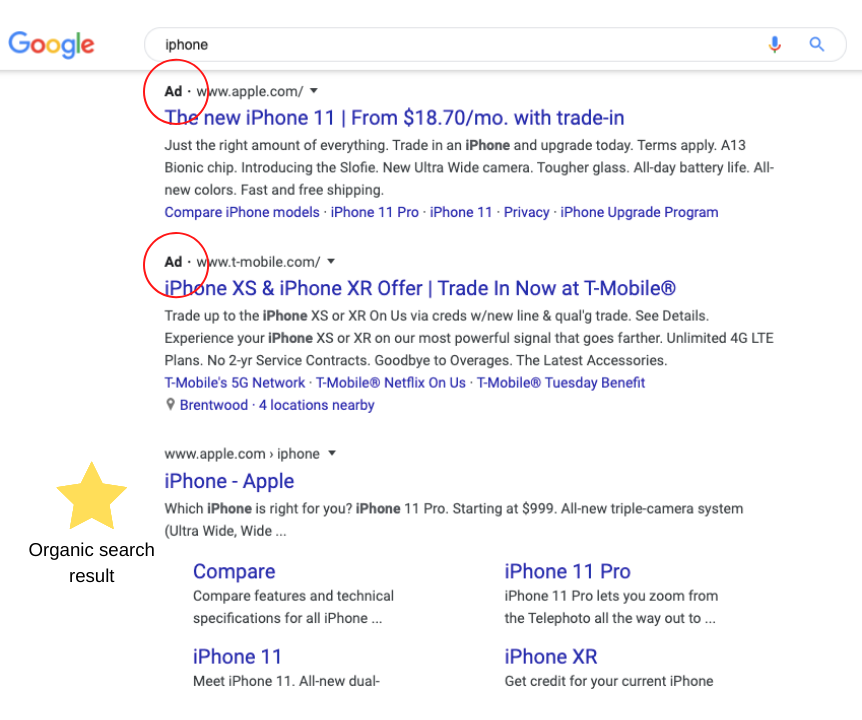
Ad’s make up a significant portion of many search engine results pages. Organic search traffic is any traffic directed to your website that you don’t have to pay for.

Favoring quality over quantity in building your content will result in more clients!

Factors That Impact SEO

There are many elements that can impact your website’s ranking including both on-page and off-page factors. These factors will be discussed in detail below but first, let’s discuss content.

Content Marketing

The type of content produced is going to be the most important factor in attracting the search engines and connecting with site visitors.

Having more relevant, higher quality content pieces on your site, will give you a better chance of being ranked higher on SERP’s by the search engines. Creating content that is engaging to visitors will most likely have them spending quality time on your site.

When creating content that is optimized for specifically for your site visitors as well as search engines, try to relate to your audience and have a variety of content pieces that are most relevant to them.

Examples of content that can be added to your site to help improve your search engine rankings are:

  • Informative videos
  • Infographics/visual content
  • Blog Posts
  • Linked social media profiles
  • How-to guides

When creating optimized content for your site that is SEO friendly, be sure to take popular keywords and phrases into consideration. Think about combinations of words and phrases that a typical user would type into a search engine to find answers to their questions or more information on products or services. Creating your content around these certain keywords and phrases will help tremendously with improving your chances of ranking higher on search engine results pages.

Creating brand new, fresh content is another factor that can impact your search engine ranking. Frequently posting new content to your site, updating posts, and adding new information are all ways to keep your content fresh. 

On-Page SEO

On page seo factors all have to do with the elements of your own website. The good news here is that these are things you have complete control over! Over time, you can work to improve these factors by optimizing both the content on your site and the HTML source code of a page.

Want to improve your search ranking? Check out these on-page SEO factors that can help do just that:

Title Tag 

The most important of all tags on your page is the title tag. The title tag outlines what the page is about; it is what users see on the search engine results pages, and also the words that appear at the top of each tab in your browser. 

Meta Description

The meta description tells search engines and helps visitors understand what your site is all about. A well written meta description can create a higher click-through rate with a greater chance of conversions, generating a competitive advantage.

Heading Tags 

Headings can be used to represent different sections on your page and should include multiple tags. H1 is the most important tag on the page and you should never have more than one. You can include multiple subheadings; h2’s or h3’s as users scroll down the page to represent different sections. 

Image Name & ALT Tags

When using images on your website, make sure to include your keyword in the image name or ALT tag. This is such a great way to help search engines better index your images and they can even appear when users search for images with that certain keyword.

Internal Links

A great way to help search engines learn a lot more about your site is by building internal links to other content on your website. An internal link is a link from one page to another page on the same domain. Internal linking allows users to easily navigate a website and help spread ranking power. Search engines use these links to navigate your website which is important because they will not find a page if there are no links to it.

Off-page SEO

Google and other search engines also take many off-page SEO factors into account when choosing what web pages are going to rank in each position. Off-page SEO is everything that takes place outside of your website, but still contributes to your ranking. You do not have complete control of these off page factors as you did with on-page SEO, but there are effective ways to improve your search engine rankings outside of the factors associated with your website.

The following are some off-page SEO factors that can help improve your search ranking:

Backlinks

Having high quality backlinks to your site is one of the most important factors of off-page SEO. You can get backlinks to your site by engaging in social media activity, influencer marketing, blogging and regularly creating high-quality, shareable content. 

Social Activity

Social signals such as likes and shares are another important factor of off-page SEO. Receiving quality shares from influencers is a great way to boost SEO. The more creative, relevant content you post to your site will result in the likeliness of people sharing your content with others.

If you would like help with your SEO plan, please contact IFTS for your free one hour consultation.